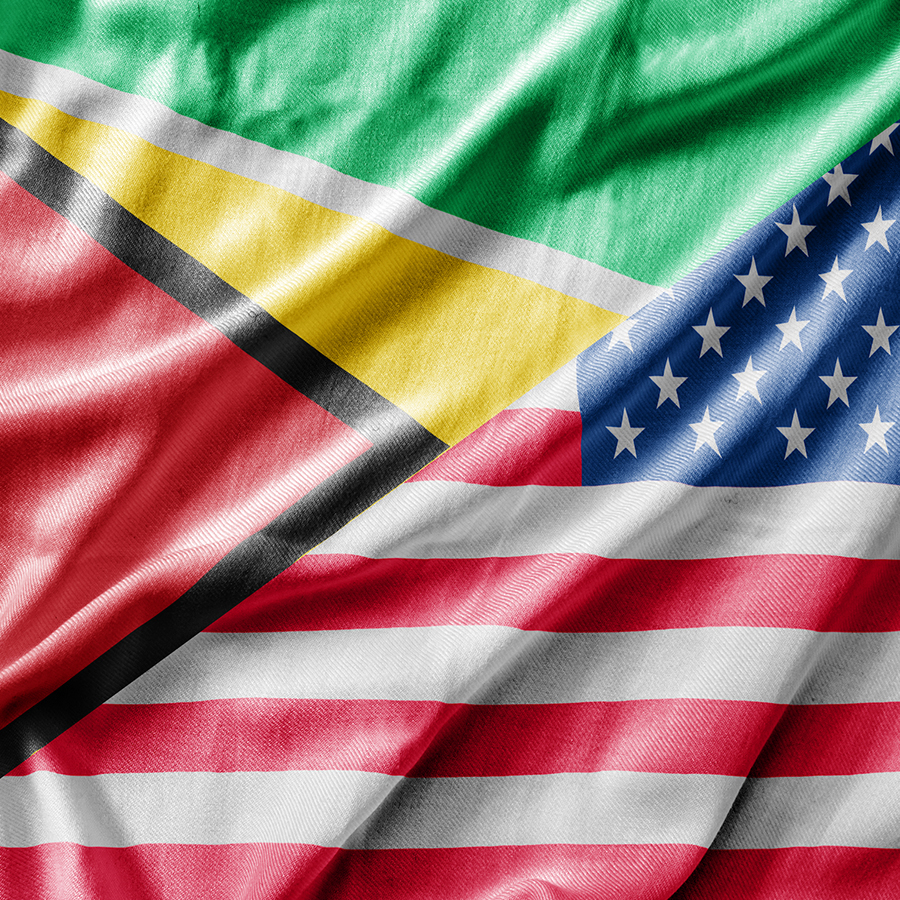
Led by HE President Dr. Irfaan Ali, Guyana is poised to take a leading role in regional food security, energy security and climate security. Underpinned by strong democratic values, rule of law, dedication to human rights and social development, Guyana’s economy is growing at an enviable pace.
A new low carbon economy
Guyana has positioned its Low Carbon Development Strategy as the centerpiece of its diversification plans as it targets five-fold growth of its economy in the next decade.
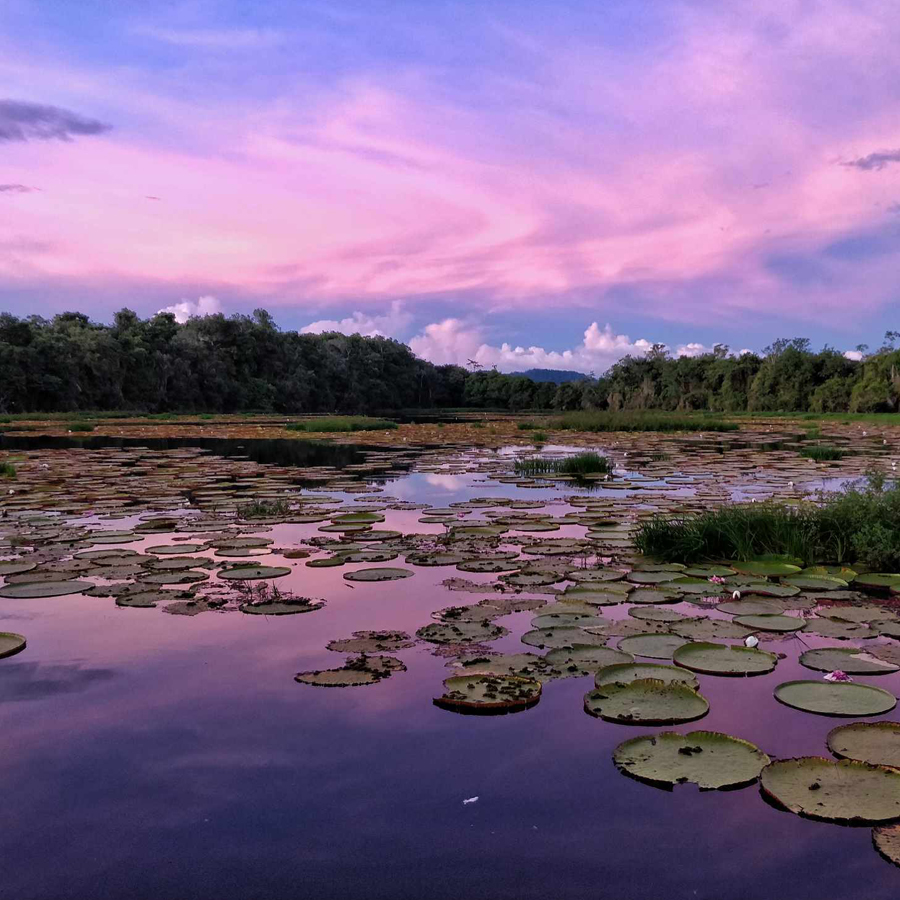
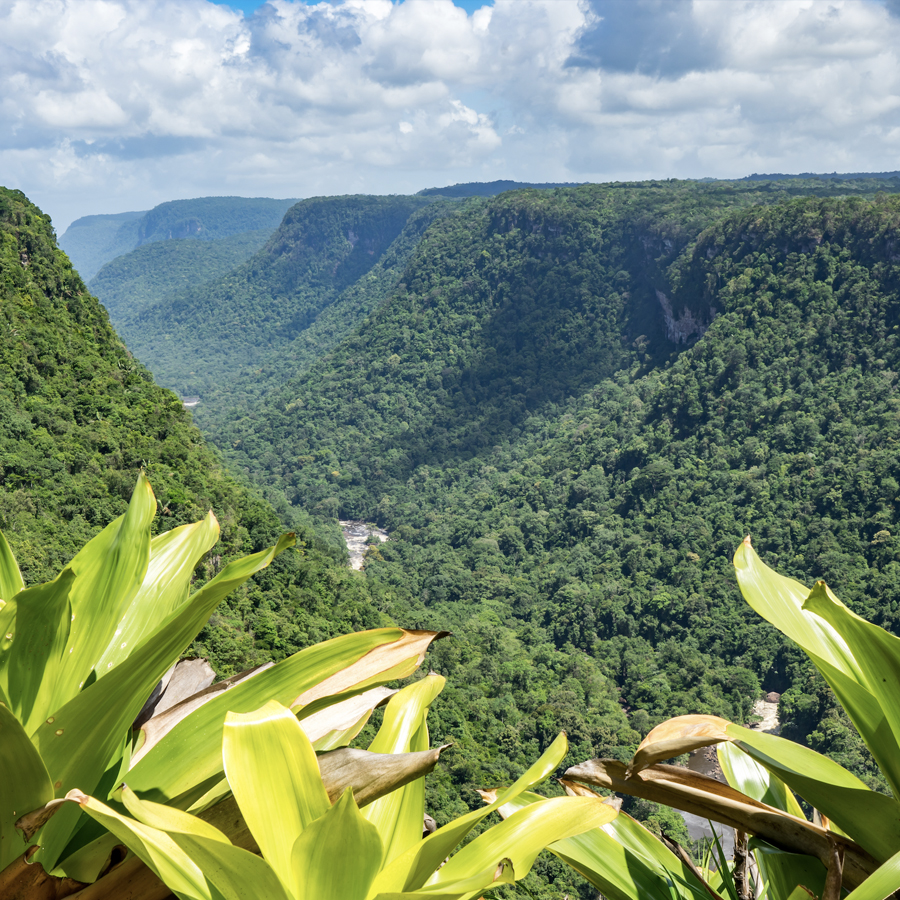
Guyana took bold steps towards decarbonizing its economy almost a decade and half ago by launching the first low carbon strategy of its kind from a developing nation. Given that its more than 70,000 square miles of forest stores just below 40% of what the world emits annually in carbon dioxide emission, the nation is banking on its position as an essential link in the global climate challenge to attract investment. Since its launch in 2009, the initiative was immediately successful, drawing just over $220 million over six years from Norway, followed by oil and gas heavyweight Hess Corporation acquiring 30% of Guyana’s jurisdictional carbon credits valued at around $750 million last year. In July 2022, the country released the latest incarnation of the Low Carbon Development Strategy that will take the nation into 2030, outlining pathways of investment in development of its nascent tech scene, green energy potential and blue economy.

Legal Transformation
Guyana’s Attorney General and Minister for Legal Affairs Honourable Mohabir Anil Nandlall has spurred a transformation of the legislation governing Guyana´s business and social spheres. Laying the foundations of a more free and fair society and providing building blocks necessary for the growth of business in Guyana.
“I can say with the greatest of modesty, that I am transforming the legislative landscape and the legal sector of Guyana. It is a work in progress. Last year alone, we passed over 60 pieces of legislation, 80% of which were new modern legislation not yet passed in this region. For example, the local content law, the medical health law, and the tissue and body transplant law. I’m also working on an arbitration bill that’s going to be the most modern of its type. The natural resource law is set up for a sovereign wealth fund, which has never been done in the Caribbean.”
Agricultural renaissance
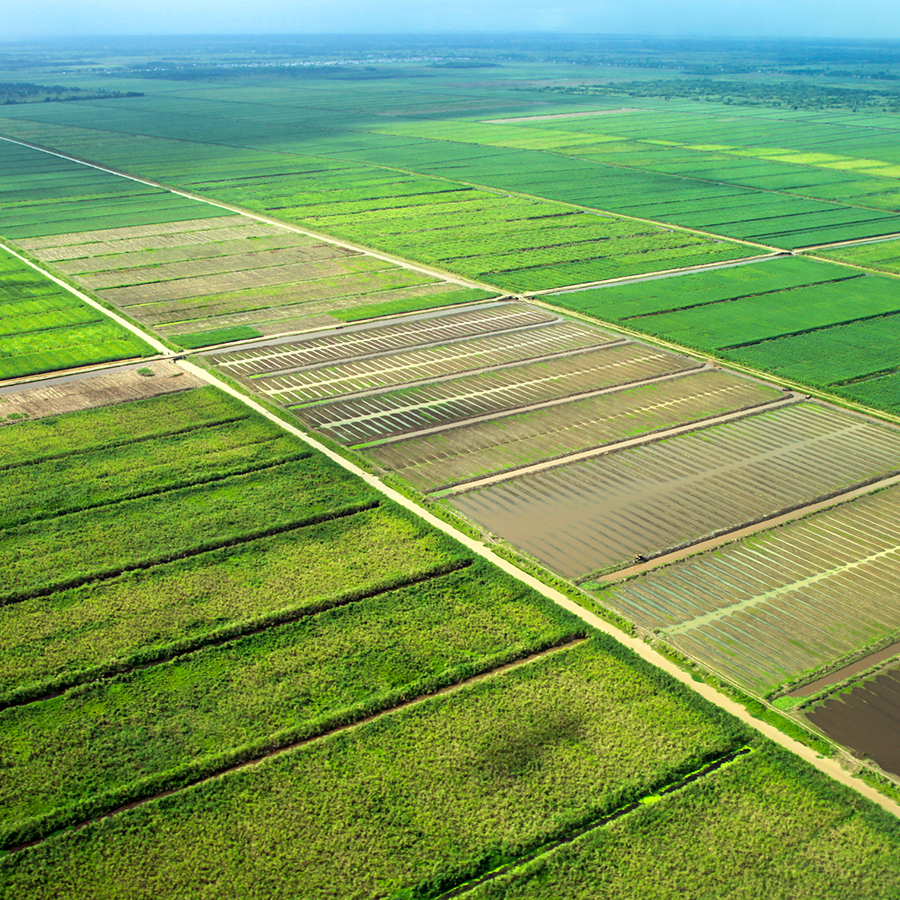
As food security becomes a central focus after the COVID-19 pandemic, Guyana is upping its game to unlock its vast potential to supply agri-food products to the region and the world.
Guyana’s agriculture sector is seen as the country’s strongest pillar outside of its oil operations, taking up 19% of the non-oil related gross domestic product and employing around 17% of the population. The third-smallest nation in Guyana is gearing up to become a big winner through its agri-foods potential, with the COVID-19 pandemic reigniting plans to become the breadbasket of Caribbean Community and a large exporter to the nearby US market. The tropical country allocated $38 billion in 2022 to advance its significant agri-foods potential, a 93% increase from its spending in 2020. According to the International Trade Administration, the country is now opening investment opportunities in revamping the country’s agricultural equipment, expanding the country’s successful fisheries, jumpstarting a prominent meat and dairy industry and launching large-scale production of horticulture.
Natural resources
Guyana is using its high-profile hydrocarbons resources to jumpstart production of its natural resources, including gold, bauxite and diamonds.
Since large offshore oil and gas deposits were discovered in 2015 on the prolific Stabroek block by ExxonMobil and partners, Guyana has been in the international spotlight. With fast-tracked production beginning in 2019, the country aims to produce more than 1 billion barrels of oil per day by 2027, putting it in one of the top 20 oil-producing nations per capita in the world. However, Guyana’s natural resources do not stop at hydrocarbons. With investment flows at an all-time high the country is targeting production of its gold, bauxite and diamonds natural resources. Gold production grew by an estimated 82.2% in 2020, with sand extraction and stone production growing by 132.8% and 15.9% respectively in the same year. The resource-rich nation is now opening its doors for foreign investment in the nascent sector to unlock its untapped potential.
Guyana-US relations and opportunities for investment
On the back of significant oil and gas projects, Guyana’s gross domestic product grew by 62.3% in 2022 according to the government’s information department. US energy giant ExxonMobil currently heads the country’s hydrocarbons production, with more opportunities on the horizon with the country’s latest oil and gas bid round launched in December 2022 that is expected to create more competition in the market. US investment in the country is at an all-time high, with more expected as the up-and-coming nation positions itself to diversify its economy away from fossil fuels into mining, agriculture, green energy and healthcare. Foreign direct investment in the nation increased from $1.8 billion in 2020 to $4.3 billion in 2021, with more inflows expected as Guyana and the US both benefit from development of the country’s natural resources and expanding industries.